A Powerful Class for Purim by Rabbi Eliyahu Succot
one of the veteran students of the Gaon and Tzaddik Rabbi Eliezer Berland shlit"a – "Go, Gather"
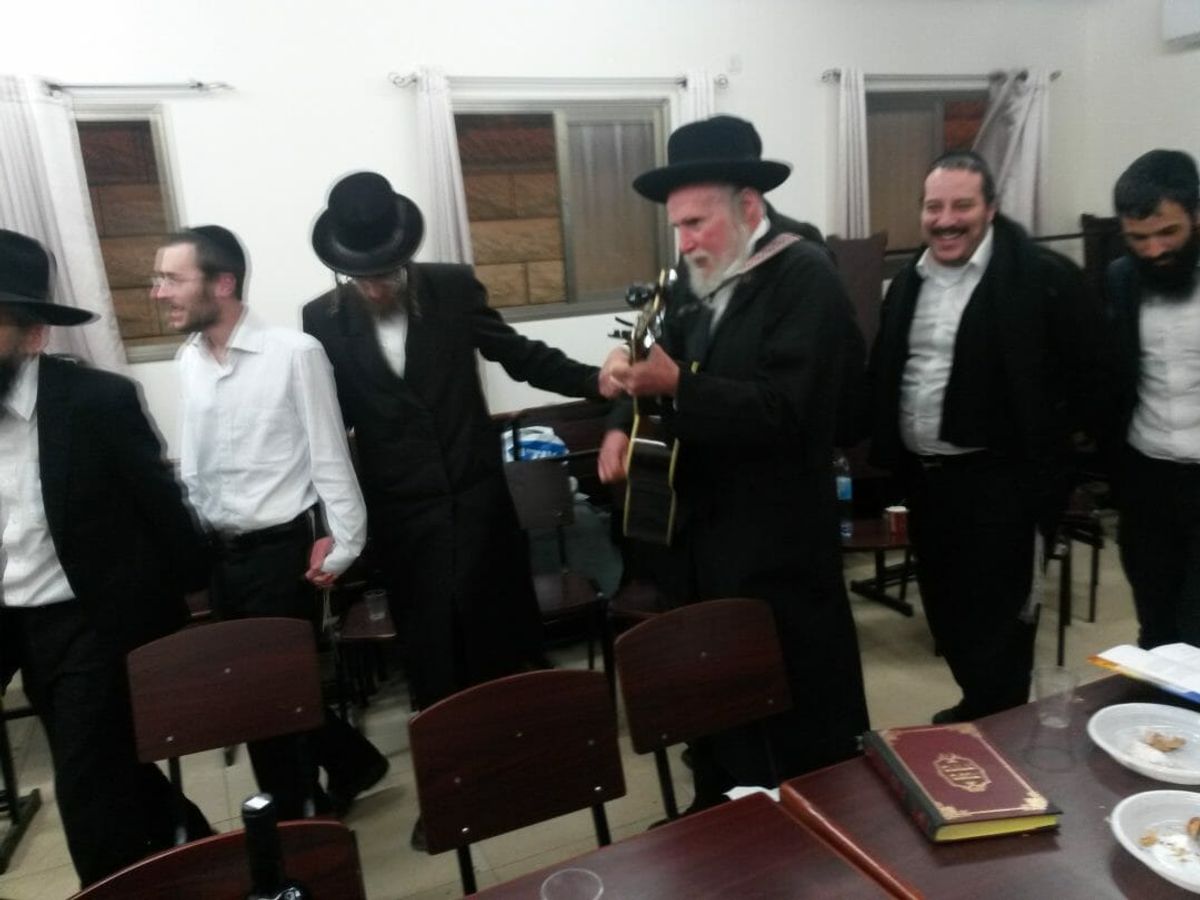
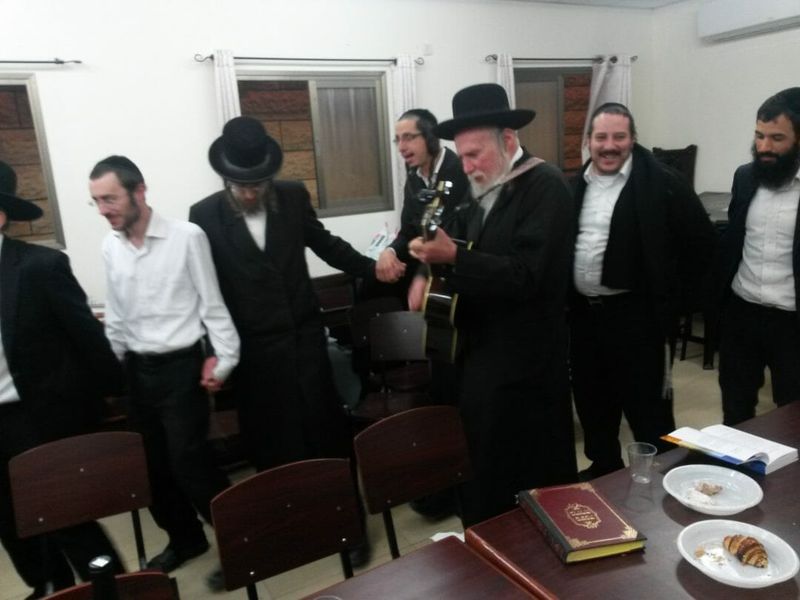
Rabbi Eliyahu Succot, one of the veteran students of our Teacher, the Gaon and Tzaddik Rabbi Eliezer Berland shlit"a, in a new class delivered in Kiryat Sefer.
"In Sha'ar HaPurim within the Sha'ar HaKavanot of the holy Arizal, it is written that Mordechai is the aspect of the illumination of Yesod Abba (the Foundation of the Father partzuf), which is drawn down throughout the day of Purim. This is because Mordechai comes from that same aspect (of Moshe Rabbeinu, who is a chariot for Yesod Abba). This is the secret of the name Mordechai—Mar Dachya (Pure Myrrh)—meaning he is pure, clean, and whitened, and his soul never experienced any 'breaking' from the World of Chaos (Olam HaTohu)."
"Mordechai the Tzaddik had no aspect of 'breaking,' and therefore he could completely subdue Haman; he did not bow to Haman. It is known that Mordechai was the tikkun (rectification) for King Saul, for like Saul, he was also from the tribe of Benjamin. As the Gemara brings in Tractate Yoma 22b, Mordechai came to rectify what Saul had damaged. It is written there that the Prophet Samuel was distressed because Saul did not kill Agag, the king of Amalek."
"In a class from 5747 (1987), Rabbi Berland shlit"a said that Saul's mistake—for which a Heavenly Voice emerged and told him, 'Do not be overly righteous'—was that Saul thought he was more righteous than Samuel. Saul said,
Rabbi Eliyahu Succot with the audience of learners
'Is Samuel more righteous than I am, telling me to kill women and children? What did they do?' Indeed, the Gemara continues to say that there was no blemish in Saul, but adds that a person who does not have a 'box of creeping things' (a history of struggles or sins) on his back cannot be appointed as a leader over the public. Rabbi Berland shlit"a explained that the intention is that a person must practice Hisbodedus, and through this, he will see his own 'box of creeping things.'"
"In Likutey Halachot (Shluchin 5), Reb Nosson says, 'In truth, one must always search for the True Tzaddik, even those who are already close to him.' Rebbe Nachman explains in Likutey Moharan 129 that to be close to the Tzaddik means to be, so to speak, consumed by the Tzaddik and to become one essence with him. Reb Nosson continues, 'One must search for and receive advice from the Tzaddik, because the Tzaddik hides himself from the world at every instance and distances himself from them, until it is difficult for them to nurse and receive from his great light, except through toil, supplication, and much searching.'"
"Reb Nosson continues, 'But one must search for the student who received the Da'at (mind/knowledge) of his teacher properly, to the point that there is an aspect of Ruach HaKodesh (Divine Spirit) in his words,' etc., see there. Reb Nosson explains that on Purim, the concept was the diminishing of the moon,"
Rabbi Eliyahu Succot – Encouragement regarding the importance of searching for the True Tzaddik
as the Arizal explains that Haman knew this, and therefore wanted to destroy the enemies of Israel (a euphemism for Israel) so that there would be no one to redeem them during the time of Gadlut (expanded consciousness). Moshe, who is the Rabbi, is the aspect of the sun, whereas Joshua, who is the student, is the aspect of the moon. The final tikkun (rectification) will be performed by the Tzaddik together with his people, as it is written in the Megillah, 'Go, gather.'"
Subscribe to Our Newsletter
Receive Torah articles and inspiration directly in your inbox